

Should You Worry About Glyphosate?
Including what it means for your morning oats and your bowl of beans

I’m introducing a paid tier for those who want ongoing access to the archive.
Weekly posts will remain free, and each will be available for 2 weeks after publication, so if you don’t get to it right away, you have some time.
That said, these pieces take a significant amount of time to research, write, and build out. If you find yourself coming back to them, the paid tier gives you full access to the archive. Think of it as buying me a cup of coffee each month to support the work.
I’ve noticed an uptick in headlines tied to topics I’ve written about recently.
Today, I’ll start with a quick scan of what’s been showing up in the news, and then zoom in on one topic that seems to be everywhere right now: glyphosate.
It’s a confusing one, and for good reason. On the one hand, glyphosate has been linked to cancer. On the other hand, it’s still widely used in our food system, and recent policy moves have aimed to increase its domestic production.
And then there’s the part that really throws people: some of the foods highest in glyphosate—oats, beans, soy—are also among the healthy foods we’re told to eat more of.
It’s the perfect contradiction. So what gives?
What I’m Paying Attention To:
Injectable Peptides Are the Latest TikTok Wellness Fad. Doctors Are Worried. (WSJ) This might sound like old news at this point (I wrote about it here), but the article highlighted a recent study in the American Journal of Sports Medicine. Researchers from the University of Southern California reviewed the literature on popular injectable peptides, and found exactly one human trial… and it wasn’t a good one.
The Rich and Powerful Want to Live Forever. What if They Could? (NYT) This one caught my attention because it shows how far the longevity conversation has drifted, toward extreme, expensive, and often unproven interventions pursued by the ultra-wealthy. It’s interesting because it contrasts these high-tech, often unproven approaches with the much simpler (and more evidence-based) behaviors we know actually support long-term health. It begs the question: are we chasing immortality while ignoring what meaningfully improves the years we already have?
Their Parents Lived to 100. Do Their Diets Have Clues to Longevity? (Tufts Now) The article reinforces something we already suspect: longevity isn’t about a single food or hack, but a pattern. Even among people with strong genetic advantages, the diet differences were modest: more fish, fruits, and vegetables, and less sugar and sodium, and notably, supplements weren’t part of the picture. It’s a good reminder that the basics still matter
MAHA Moms Turn Against Trump: ‘Women Feel Like They Were Lied To’ (NYT) The article outlines how a movement focused on reducing exposure to environmental toxins is reacting to policy decisions that support their continued use, highlighting backlash from MAHA supporters after an executive order to increase domestic production of glyphosate, a widely used herbicide classified as a probable carcinogen.
And now… let's get to know glyphosate.

What is glyphosate?
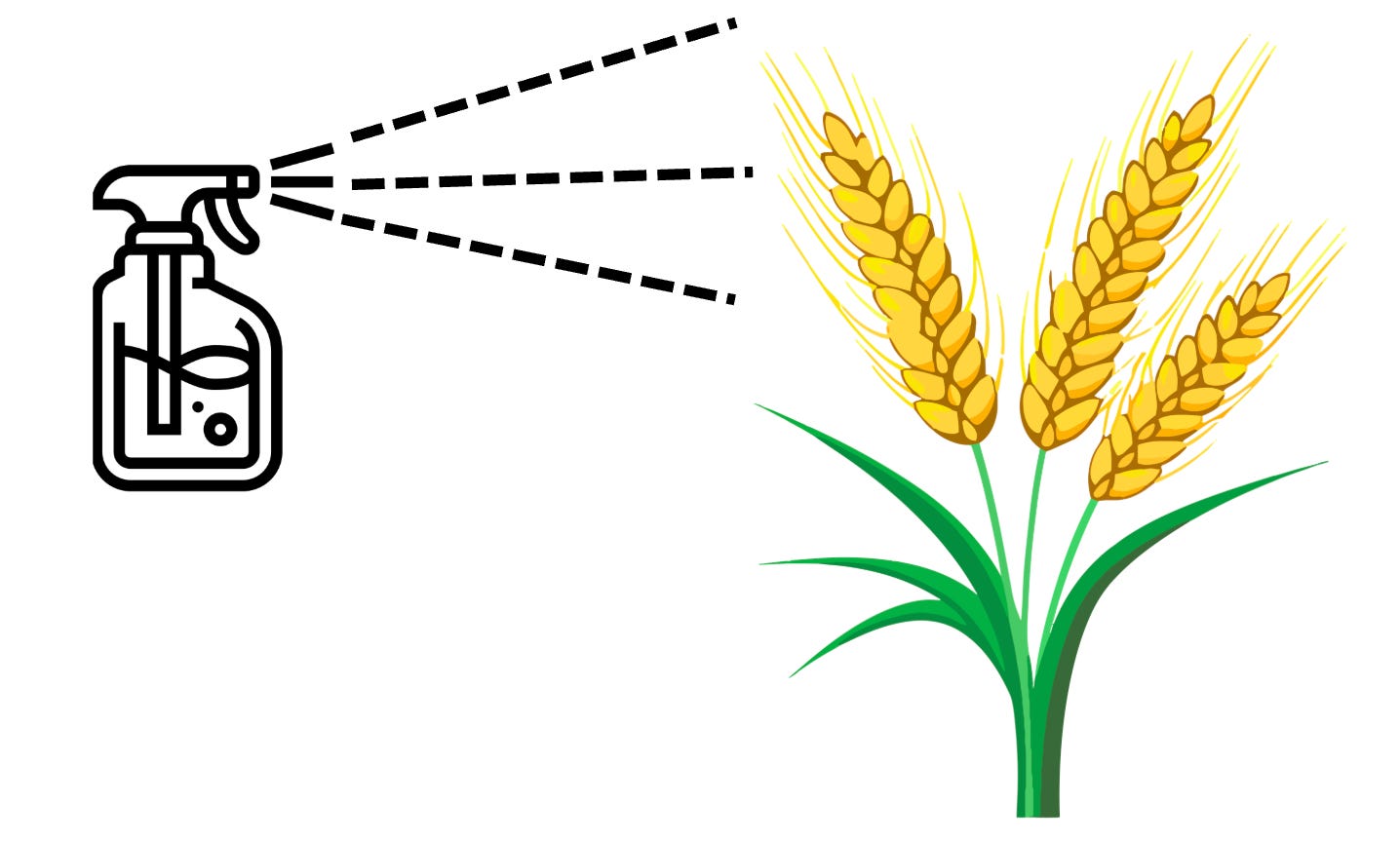
Glyphosate is a widely used herbicide, a chemical designed to kill weeds.
It works by blocking a pathway plants need to grow (the shikimate pathway). Humans don’t have this pathway, but some of our gut bacteria do, which is where some of the concern comes in.
Its use has grown rapidly because it can kill weeds without harming crops that have been genetically engineered (GMO) to resist it, making it a cornerstone of modern agriculture.

Where is it found?
Glyphosate is ubiquitous.
It shows up in:
Food (especially grains and legumes)
Water and soil
Animal feed and, to a lesser extent, animal products
Human urine, where it’s detectable in the majority of the population
Diet seems to be the primary source of exposure.
And importantly: detectable doesn’t always mean dangerous. It means our tools are sensitive enough to find very small amounts.

Which foods have the most, and least?
The biggest contributors are foods that many people eat every day.
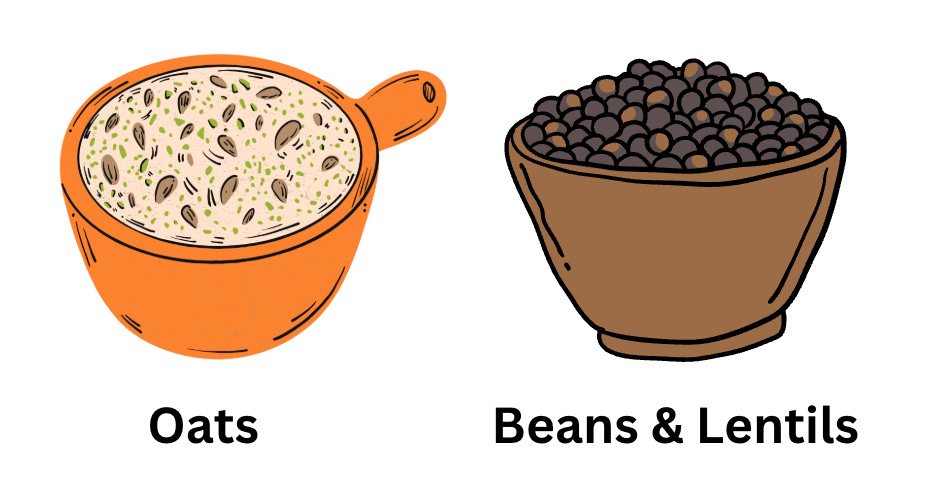
Highest levels are found in:
Oats
Wheat (especially whole grain/bran)
Barley
Legumes (lentils, chickpeas, beans)
Soy
Corn
Why are oats so often linked to glyphosate?
Glyphosate can be used in two ways:
During growth to control weeds
Right before harvest to dry the crop (desiccation)
Oats stand out because of that pre-harvest use. Spraying so close to harvest leaves higher residue levels on the final grain.
It’s not that oats are sprayed more; it’s that they’re often sprayed later.
Lower or variable levels are seen in:
Fruits and vegetables
Meat and dairy
Milk-based baby foods (often undetectable)
Beer, wine, and honey (low, but detectable)
I know, these are also some of the most health-promoting foods out there, which is where things get complicated.

What does it do to our health?
This is where things get less clear.
There is no universal agreement, which is part of the problem.1
Add to that early associations (not definitive cause-and-effect findings) around:
And then another layer: most real-world exposures aren’t to pure glyphosate, but to formulations that include other chemicals, some of which may behave differently.

Sounds problematic. What’s the controversy?
It helps to understand the distinction between a hazard and a risk.
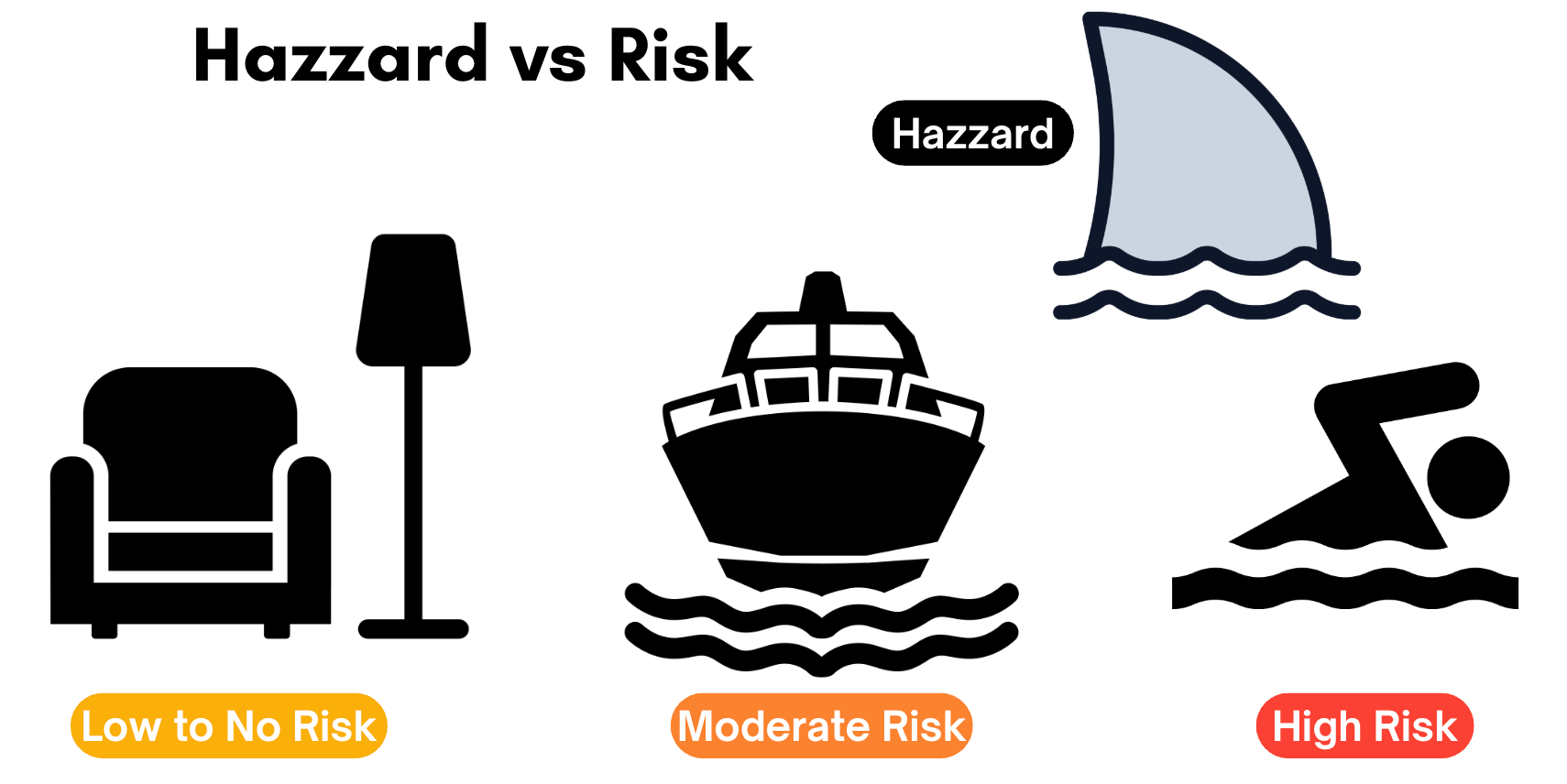
Think of it like a shark. A shark is a hazard; it can cause serious harm. But your risk depends entirely on context: on your couch, zero; on a boat, low; in the water next to it… Now we’re having a different conversation.
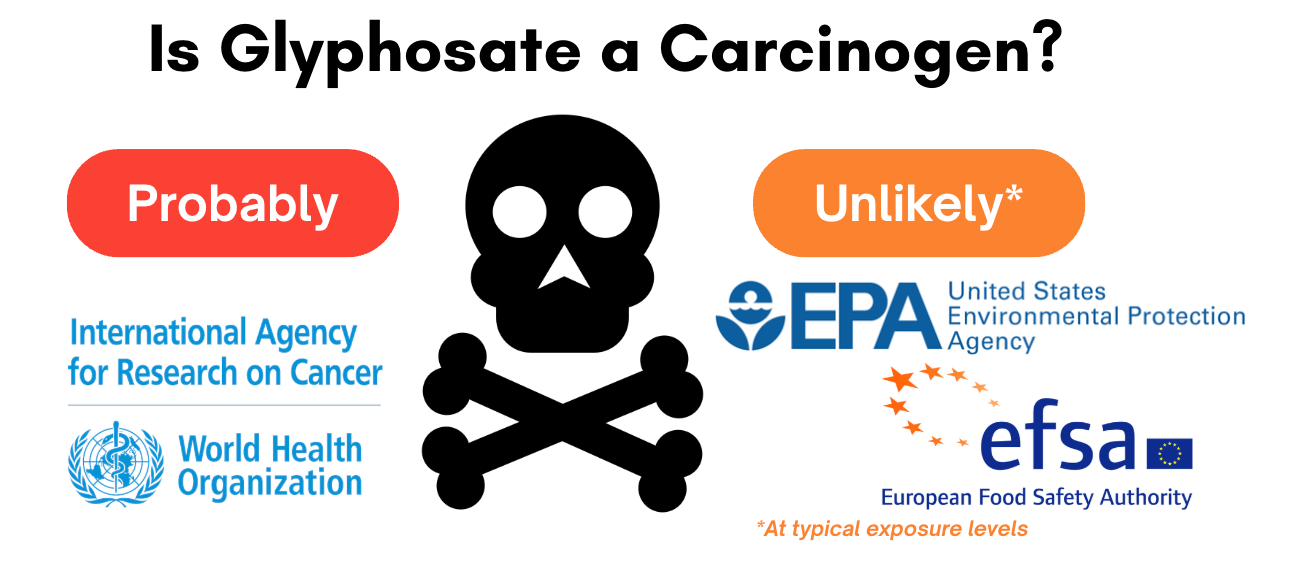
The International Agency for Research on Cancer is asking
a hazard question:
Can this cause harm under any condition? → probably yesRegulators like the Environmental Protection Agency are asking
a risk question:
Does it cause harm at real-world exposure levels? → likely no
Different questions, different answers.
And when you layer in different datasets, study designs, and the fact that real-world exposures involve formulations, not just pure glyphosate, you get a debate that hasn’t been fully resolved.

Why is it still in our food?
Glyphosate remains in the food supply because:
Exposure levels are considered low by regulatory standards
Modern agriculture depends on it
Would it be ideal to have robust crops without it? Yes. But our modern agricultural system doesn’t seem able to function without it, and policymakers don’t appear ready to change that.
According to the White House, “without glyphosate, it would be untenable for farmers to meet growing food and feed demands,” which is considered essential to maintaining the current food system.

The biggest takeaway is this: the foods highest in glyphosate—oats, legumes, soy, whole grains—are also among the most consistently linked to better health outcomes.
So while the issue of glyphosate is worth addressing, the answer isn’t to avoid the very foods that support your health. Don’t cut out nutrient-dense foods over a single variable.
Instead, keep perspective and make a few smart adjustments:
Keep eating the foods that support your health—oats, beans, legumes, and whole grains
If you want to reduce exposure, be selective: choose organic oats or beans when feasible
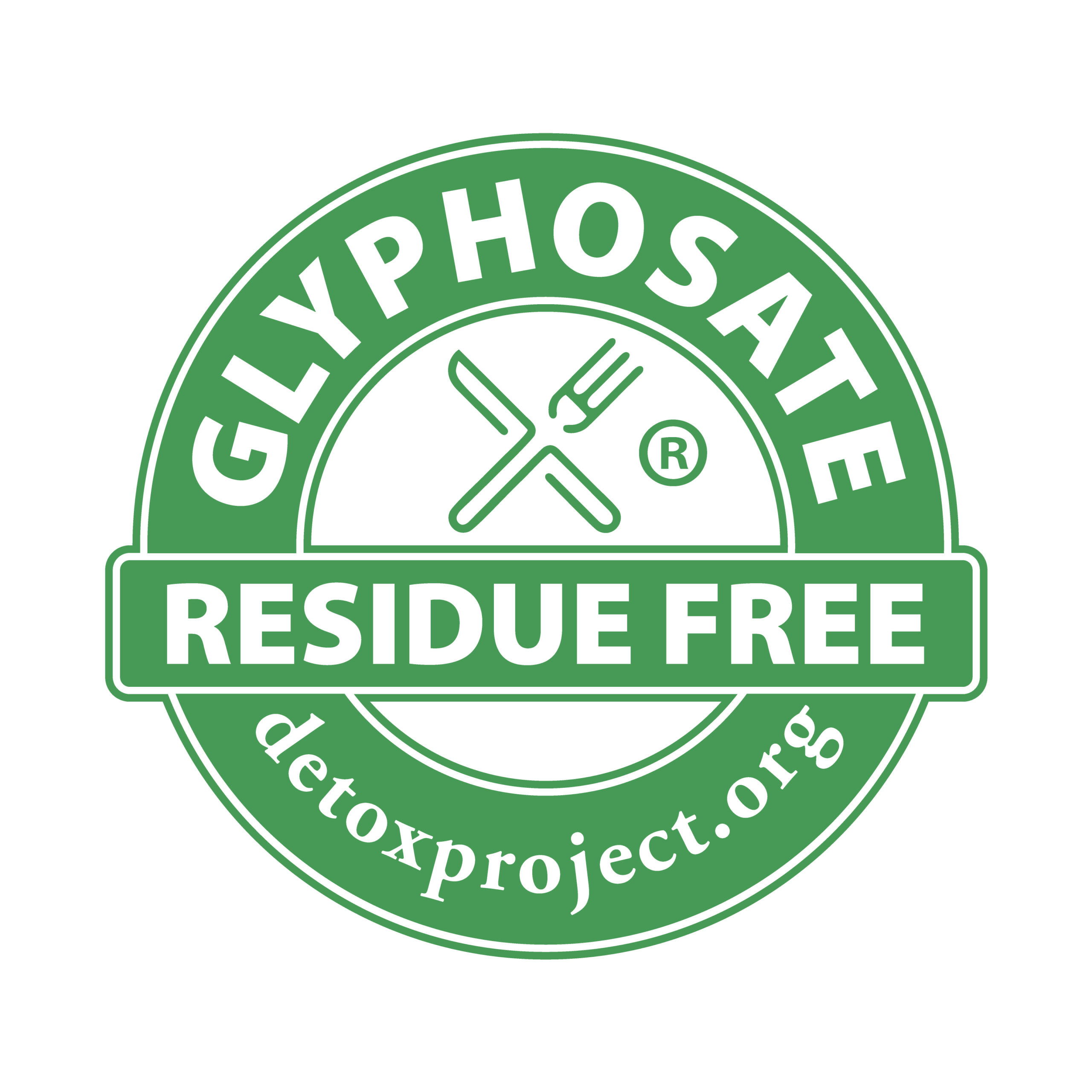
Look for third-party certifications like the Glyphosate Residue Free seal, which verifies products contain no detectable glyphosate and meet stricter standards
And zoom out.
This is less a grocery store problem and more a policy one; that’s where the real change happens.
In the interim, don’t let a single ingredient outweigh the overall quality of your diet. The bigger dietary pattern still wins every time.